
Trauma and depth-oriented therapy
For old wounds, complex trauma, anxiety, and patterns that keep repeating. Relational, IFS-informed parts work with EMDR available when it fits.
If life looks fine on the outside but feels heavy underneath, there is a place to set some of it down. Therapy here is unhurried, relational, and shaped around what you are actually living, not a protocol you have to fit into.
You do not need to have everything figured out before reaching out.

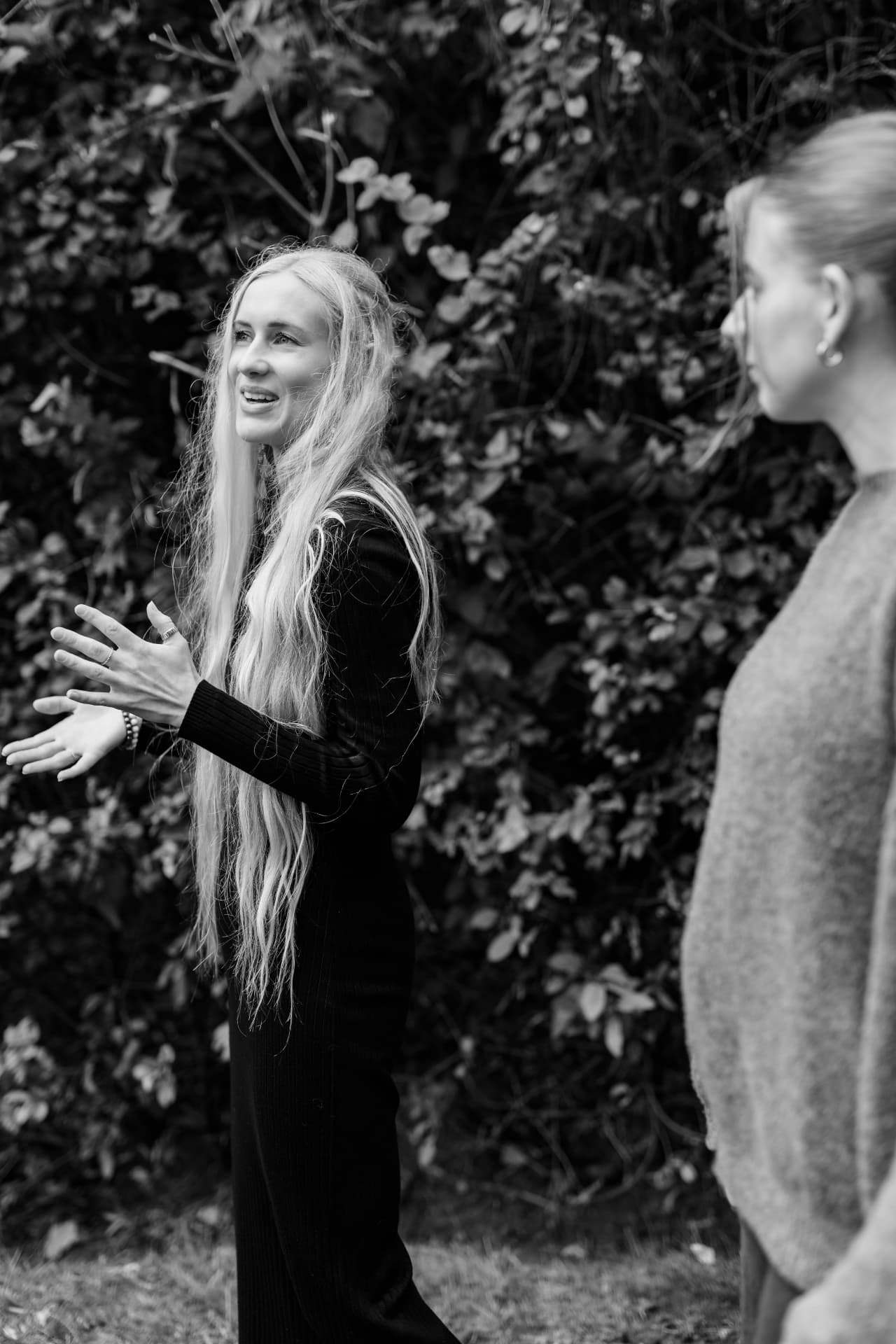
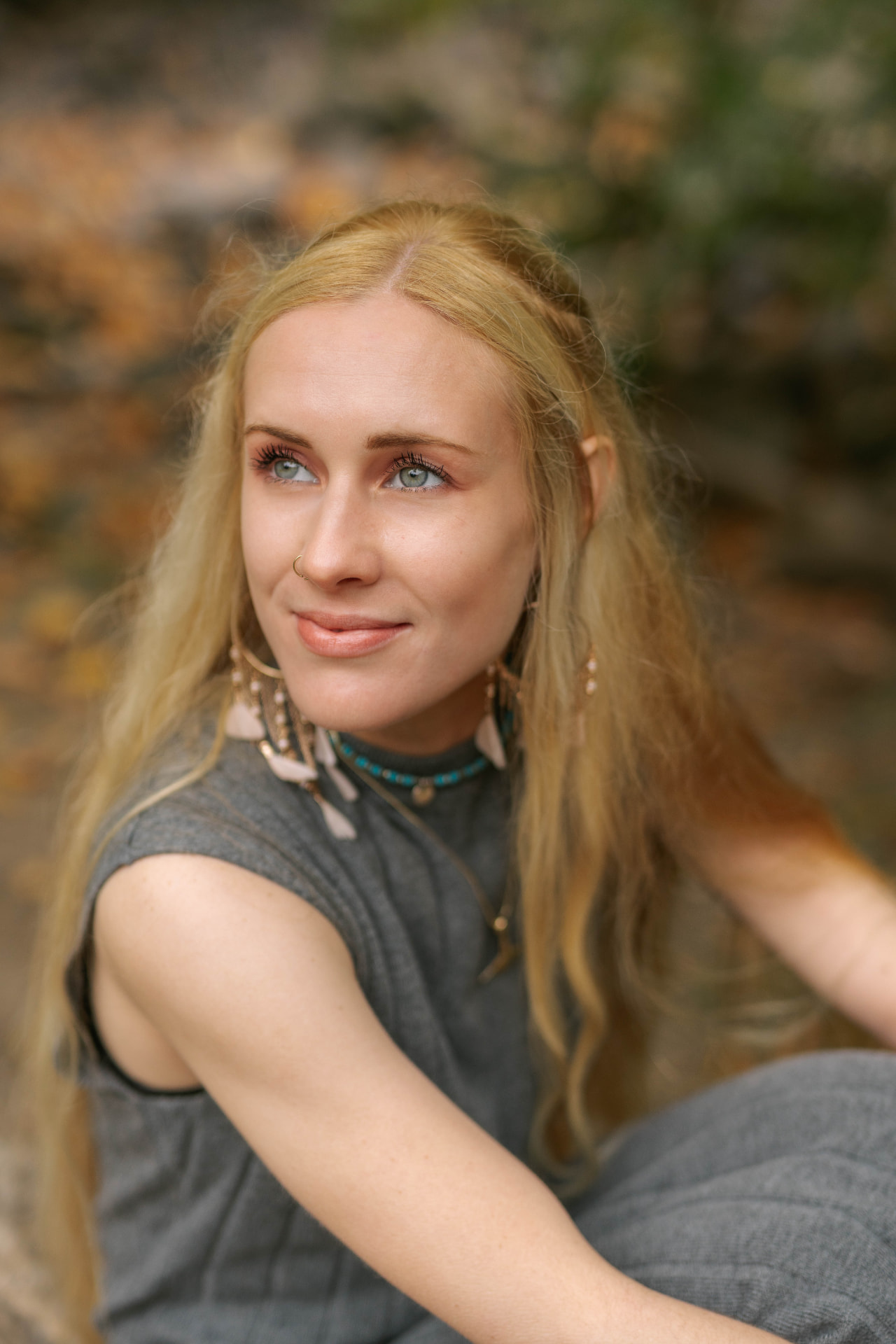
Sarah Cushing
Registered Psychotherapist · CRPO #15706
You are the steady one for everyone else, and quietly running on empty.
Anxiety, grief, or shame sits underneath the day and never quite lifts.
Your relationship with food, movement, or your body has become exhausting.
Something has ended (a relationship, a role, an identity) and you are not sure who you are now.
You have read the books and done the surface work, and something deeper is still waiting.
None of this means something is wrong with you. It usually means you have been coping well, for a long time, with more than you should have had to carry alone.

Therapy will not hand you a different life. It can give you a steadier place to stand inside the one you have.
Over time, clients often describe more space between feeling and reaction, more compassion for the parts of themselves they used to fight, and a clearer sense of what they want next. The pace is yours. Nothing gets forced open.
For old wounds, complex trauma, anxiety, and patterns that keep repeating. Relational, IFS-informed parts work with EMDR available when it fits.
For a hard relationship with eating, movement, or your body. We honour what these patterns have protected and look for gentler ways of relating.
For endings, beginnings, and the disoriented middle: career shifts, relationships, identity, grief, and questions of meaning.
The psychotherapy part of KAP: preparation, support, and integration, in collaboration with a licensed ketamine clinic whose medical prescriber assesses, prescribes, and monitors treatment.
Non-judgmental support for making sense of a past or planned experience. No substances are provided, sourced, or used in these sessions.

You will not meet a blank screen. I am present, warm, and human. We will laugh sometimes, sit with hard things other times, and you are allowed to arrive however you actually are that week.
My own path through movement, the body, and the long middle of healing shapes how I work. So does a background in anthropology and sociology: your struggles make sense in the context of the families, cultures, and systems you have moved through.
You stay the expert on your life. My role is to help you hear yourself more clearly and to keep the space steady while you do.
Sessions are 50 minutes, usually weekly at the start. There is no performance required and no right way to begin. Most people find the first conversation easier than they feared.
01
A short phone consultation, no cost and no pressure, to hear what brings you here and whether we feel like a fit.
02
Early sessions are about getting to know you and building enough safety that deeper work becomes possible.
03
We follow what surfaces: parts, memories, patterns, and the body's signals, always with a way back to steady ground.
If you are local and prefer to share a room, in-person sessions are available in Ottawa, Ontario.
Secure video sessions anywhere in Ontario. All you need is a private space and a stable connection.
Sessions are 50 minutes. Many extended health plans in Ontario cover a Registered Psychotherapist; check your plan, as direct billing is not offered at this time.
Straightforward answers about how I work, what I offer, and what to expect from depth-oriented, trauma-informed therapy.
Practical answers about beginning depth-oriented psychotherapy in Ottawa or virtually across Ontario.
It is a relational, slower-paced approach that pays attention to the patterns, memories, and protective parts shaping how you move through the world. I draw on IFS (parts work), EMDR, somatic and polyvagal-informed pacing, and attachment theory. The aim is not to fix you, but to create a steadier inner environment where change can unfold.
No referral is needed, and you do not need a formal diagnosis. In our first conversation we explore what you are looking for and whether this feels like a good fit. If another service would serve you better, I am happy to discuss options.
You can reach out through the inquiry form or email me directly to request a complimentary 15-minute consultation. There is no pressure to commit; it is simply a chance to feel into whether working together makes sense.
How sessions run, where they happen, and what therapy costs in Ontario.
I offer both virtual sessions across Ontario and in-person sessions in Ottawa, ON. If you are local to Ottawa and prefer to meet in person, we can arrange that. Virtual sessions require a private, stable space and a reliable internet connection.
Sessions are typically 50 minutes. Weekly sessions are common at the start, though we may adjust frequency based on where you are in the process. Longer sessions can be arranged for KAP integration work when clinically appropriate.
Many extended health plans in Ontario cover services provided by a Registered Psychotherapist. Coverage varies by plan, so I recommend checking directly with your insurer. I do offer direct billing with some insurance companies and benefits packages, so please inquire and I can let you know whether direct billing is available for your specific plan.
Clear boundaries around KAP, harm reduction, and psychedelic integration therapy.
KAP is a structured form of therapy that combines psychotherapy with ketamine, which is prescribed and monitored by an authorized medical prescriber at a licensed ketamine clinic. My role is the psychotherapy component: preparation, supported inner exploration, and integration. It is not suitable for everyone and requires medical screening and ongoing collaboration with the prescribing clinician.
No. As a Registered Psychotherapist, I do not prescribe, provide, administer, or source ketamine, psilocybin, or any other controlled substance. KAP work happens only in coordination with a medical prescriber. Psychedelic integration sessions involve psychotherapy only - no substances are used or provided.
I offer non-judgmental harm reduction and integration support. This means we can explore intentions, reduce risk, and make meaning of experiences, without encouraging illegal or unsafe use. If substance use is destabilizing, I may suggest additional resources or supports.
What psychotherapy can hold, and what needs urgent care instead.
Psychotherapy is not a crisis or emergency service. If you are in immediate danger of harming yourself or someone else, please call 911, go to your nearest emergency department, or contact a crisis line such as the 988 Suicide Crisis Helpline. We can discuss a safety plan together during our work.
Have a question that is not covered here? Get in touch.

Approach · July 14, 2026
Depth-oriented psychotherapy is slower, more relational, and less about symptom removal. Here is what the work looks like week to week.

Ketamine-Assisted Psychotherapy · June 21, 2026
What preparation, dosing-day support, and integration involve in KAP - and where the psychotherapist's role ends and the medical prescriber's begins.

Transitions · May 30, 2026
The in-between after a relationship, a role, or an identity ends is disorienting by design. A look at why liminal periods feel like fog - and how to move through them.
A brief phone call, at no cost, to talk about what you are looking for and whether working together feels right. You do not need to have everything figured out before reaching out.